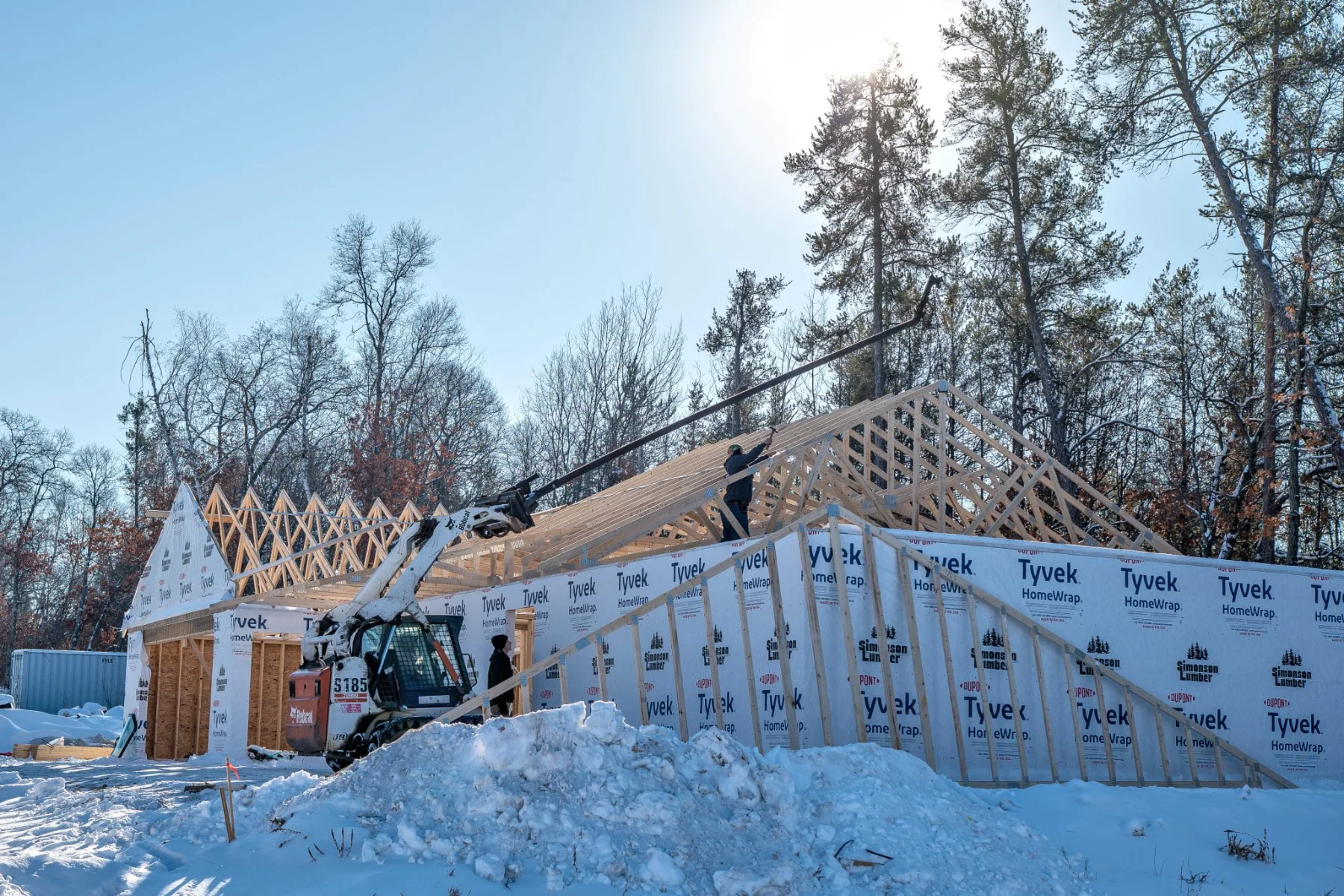
A framing crew can’t pour a foundation in a freeze, and nobody can grade a site that’s under water. Weather is one of the few things on a construction project that no one controls, which is exactly why lenders pay attention to it. They aren’t trying to predict a storm. They’re asking how much a bad season would cost the project, and whether the plan can absorb it.
Insurance costs, material pricing, and severe weather events have all been recurring topics for builders in recent years, and each one feeds back into how a project gets planned and financed. Here’s how lenders think about weather risk, how it differs by region, and what you can put in your file before you apply to show you’ve planned for it.
Why Weather Is a Lending Issue, Not Just a Jobsite Issue
To a builder, a rainout is a lost day. To a lender, it’s a chain reaction. A delayed schedule means interest keeps accruing on the funds already drawn. It can push inspections back, which pushes draws back, which strains cash flow for the crews waiting on payment. And if bad weather damages work in progress, it affects the property that secures the loan.
This is why weather lands in the project risk category lenders evaluate on every file. We cover the full framework in how lenders evaluate construction lending risk. A realistic plan for weather is part of what makes a schedule and budget believable.
The Three Ways Weather Shows Up in a Construction Loan
Weather rarely causes just one kind of problem. It tends to show up in three ways:
- Schedule delays. Rain, snow, frozen ground, and extreme heat all limit what crews can do on a given day. A few lost days per month adds up over a build.
- Physical damage. Wind, hail, water intrusion, and fire can damage work that has already been paid for. Unfinished structures are more exposed than completed homes.
- Cost increases. Delays extend general conditions and carrying costs, damaged materials need replacing, and in many markets insurance costs and availability have become a growing concern.
What a Weather Delay Looks Like in Practice
Here’s a simple, illustrative example. A builder plans to finish framing in late fall and request the next draw right after the framing inspection. Then two weeks of storms stop the crew. The framing finishes late, the inspection is scheduled late, and the next draw is released late, just as the plumbing and electrical subs are ready to start.
Meanwhile, interest keeps accruing on the funds already drawn, and subs waiting on payment may move on to other jobs. A builder with a schedule buffer and a contingency reserve absorbs that gap. A builder without one has to find the cash somewhere else, or watch the project stall.
How Weather Risk Differs by Region
There’s no single weather risk. What matters depends on where the project sits, and lenders familiar with a market know the local pattern. A few examples across the West:
- Pacific Northwest (Washington, Oregon): A long, wet season can limit grading and earthwork, and some jurisdictions add erosion-control requirements during it. Keeping framing dry is a constant concern.
- Mountain and northern states (Idaho, Montana, Colorado): Freezing temperatures, frost depth, and snow load affect foundation work, concrete pours, and the window for site work.
- Arizona: Extreme summer heat shortens workdays and affects concrete and roofing, and monsoon storms can bring flash flooding and wind.
- Wildfire-prone areas: Smoke can halt outdoor work, fire can limit site access, and insurance can be harder to secure in some areas.
Site work is where seasonal timing matters most. A land development loan funds the grading, utilities, and infrastructure that happen before anything is built, and that work is often the most exposed to wet or frozen ground.
What Lenders Look at When Weighing Weather Risk
Lenders don’t need a forecast. They look for evidence that the plan accounts for the conditions the project will face. That typically includes:
- A schedule built around the local season. A framing start date in the middle of the rainy season, with no buffer, raises questions.
- Contingency for time as well as money. A budget contingency helps with cost overruns. A schedule buffer helps with the delays that cause them.
- Insurance in place. Lenders typically require builder’s risk coverage during construction, and they want to see that it fits the project.
- Site and location factors. Flood zone status, drainage, slope, and fire risk all affect how exposed the property is.
- The builder’s local experience. A builder who has completed projects in the same climate usually has a better sense of how to schedule around it.
How a delay plays out in the funding process matters too. Draws are tied to verified progress, so when weather slows work, it slows the next release of funds. Our guide to how construction draw schedules keep cash flowing explains why it helps to line up the schedule and the draws early.
How to Plan for Weather Before You Apply
Most of this comes down to putting things on paper before the lender has to ask:
- Build the schedule around the season. Place weather-sensitive work, like excavation, foundations, and framing, in the part of the year when it’s most workable, and show the dates.
- Add a schedule buffer. Include extra time in the timeline itself, not just extra money in the budget.
- Understand your insurance coverage. Builder’s risk policies typically cover perils like wind, hail, and fire, while flood and earthquake often require separate coverage. Ask your insurance agent exactly what is and isn’t included.
- Check the flood zone. The FEMA Flood Map Service Center lets you look up an address and see its flood zone designation.
- Protect the work in progress. Site drainage, erosion control, and covering exposed framing reduce the damage a single storm can do.
- Talk to your lender early. Raise the question of delays before you sign, not after the first rainy month.
Questions to Ask Your Lender About Weather Delays
A few questions are worth asking before you commit to a loan:
- What happens if weather pushes completion past the loan term? Ask whether extensions are available, and what they cost.
- How are inspections and draws handled during a delay? Know what to expect when work slows or stops.
- What insurance is required, and when must it be in place? Confirm the coverage details before construction starts.
- How will a delay affect my interest costs? Interest keeps accruing on funds already drawn, so a longer build costs more to carry.
Weather is one of the few risks no builder can control, but it’s one of the easiest to plan around. A schedule built around the season, the right insurance, and a lender who understands your market make a bad month a manageable one.
If you’re planning a build and want a straight read on how your timeline and financing fit together, explore our vertical construction loan programs and talk through your project before you break ground.