
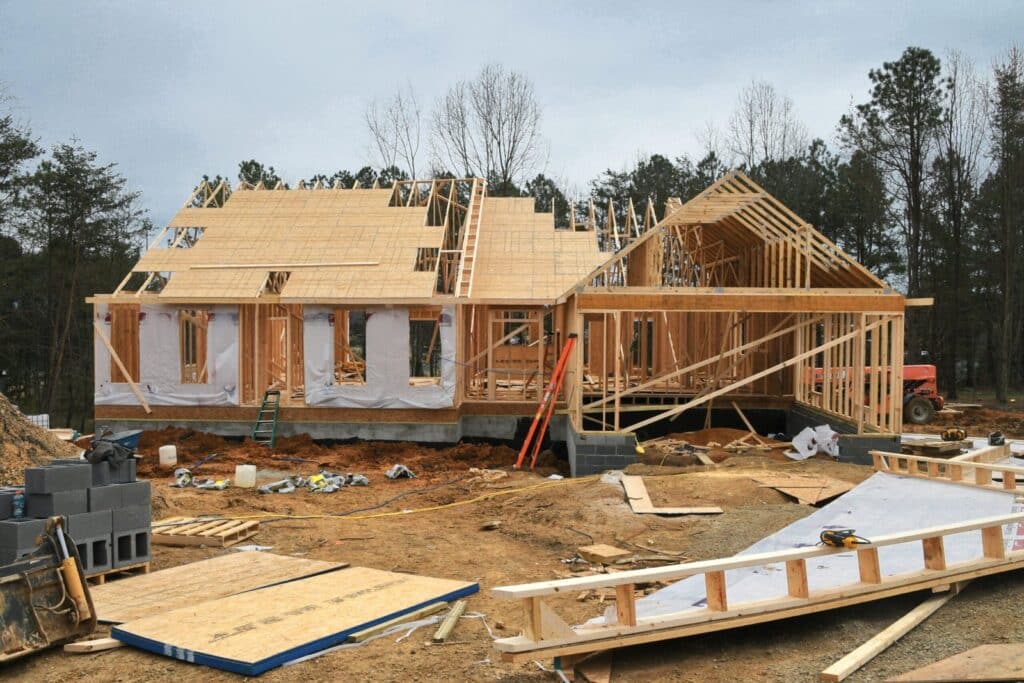
What to Know About Construction Loans in Washington State
If you’re building spec homes in Washington, you already know the financing game is different here. King County permits that drag on for months. Seismic requirements that blow up foundation budgets. Rainy seasons that push timelines and test your lender’s patience.
Construction loans in Washington state demand more than a bank that processes paperwork. You need a lending partner who understands that every day your project sits waiting for funding is money out of your pocket.
How Construction Loans Keep Your Pipeline Moving
A construction loan provides the capital to take a home project from dirt to done. Unlike permanent financing, these short-term loans release funds through draws as you hit milestones. Your lender verifies progress through inspections, then releases the next round of funding so you can pay your subs and keep building materials flowing to the site.
During the construction phase, you pay interest only on funds actually disbursed. This keeps your carrying costs manageable while you’re building multiple home projects. Most construction loans run 12 to 18 months, though experienced operators with solid track records often negotiate terms that match their actual build schedules.
When the new home is ready for sale, or you’ve secured a buyer, you’ll either sell and pay off the loan or convert to a permanent mortgage. The faster you can move from a construction loan to a sale, the quicker you free up capital for your next project.
What Lenders Look for in Applicants
Getting approved for a construction loan means proving you can execute. Lenders evaluate your financial position, contractor credentials, and project viability before committing funds.
Financial qualifications typically include:
- Credit score: Most lenders want a 680 minimum credit score, though 700+ unlocks competitive rates
- Liquidity: Cash reserves to handle cost overruns without jeopardizing the build
- Debt-to-income: Generally, 45% maximum to ensure you can manage monthly payment obligations across your portfolio
- Track record: Two or more years of profitable home building history documented through tax returns
Project requirements include:
- Detailed plans, specifications, and realistic budgets
- Contractor labor agreements and subcontractor relationships
- Clear timeline from ground-breaking to completion
- Exit strategy showing how you’ll pay off or convert the loan
Your loan officer will assess the property value, the loan-to-value ratio, and your construction period timeline. Having equity in other properties or a home equity line can strengthen your application and give you flexibility across multiple home builds.
Why the Evergreen State Presents Unique Challenges
Construction loans already carry more risk than standard mortgage products because the home doesn’t exist yet. Regional factors make the lending environment even more complex for spec home projects.
- Permit timelines eat into your schedule. Processing in King County runs 65-100 days, depending on project complexity. Seattle and surrounding cities pile on their own requirements. These delays directly affect your financing structure and when you can start drawing funds. A lender who doesn’t understand local permitting will structure loans that don’t match reality.
- Environmental studies add time and cost. Before you can purchase land for new home construction in critical areas, you may need studies that run $5,000-15,000 and extend timelines by 45-60 days. Factor these into your project budgets and loan requests.
- Seismic requirements in Western Washington result in higher foundation costs than in other markets. Enhanced engineering specifications require bigger initial loan amounts and specialized contractor labor coordination.
- Weather patterns compress your build season. The Pacific Northwest’s rainy months from October through March can disrupt schedules, forcing you to carry projects longer than planned. You need a lender who won’t penalize you for delays outside your control.
Working with a lender who understands these regional realities means fewer surprises and financing that actually fits how you build.
Understanding Construction Loan Rates
Construction loan rates run higher than traditional mortgage rates because lenders take on more risk. Current rates range from 6.5% to 9% for most residential home builds, depending on your credit profile, down payment, and lender relationship.
Spec home construction typically commands higher rates than pre-sold projects. NAHB reports average rates around 12-13% for speculative single-family construction loans in 2025, reflecting the additional risk lenders assume when there’s no committed buyer.
Several factors influence your actual interest rate:
- Your track record: Those with completed home projects and clean payoff histories get better terms
- Loan-to-value ratio: More equity means lower risk for lenders
- Project type: Custom home builds for buyers carry less risk than spec homes
- Market conditions: Local real estate trends and Federal Reserve policy affect baseline rates
- Lender relationship: Repeat borrowers often negotiate better construction loan rates
A land purchase loan combined with construction financing may carry different rates than building on land you already own. Discuss your specific circumstances with your loan officer to understand how different mortgage structures affect your total cost per project.
The Draw Process: Keeping Crews Working and Materials Flowing
Unlike a standard home loan or mortgage, where funds are disbursed at closing, construction loans release funds through scheduled draws tied to inspections. When you’re managing multiple home projects, the schedule and timing of your loan draw is everything.
The gap between requested draws and actual funding directly impacts your cash flow. Slow inspections mean you’re floating contractor labor and building materials costs out of pocket. That ripples through your entire operation when you’re running multiple new home builds.
Fast inspections keep your home construction projects moving. The best financing partners complete site visits within 24 hours and process draws the same day, so your subcontractors stay paid and materials keep arriving on schedule.
Finding a Lending Partner Who Gets the Business
Your financing partner should understand spec home construction, not just loan paperwork. Look for a lender who offers quick inspections, flexible draws, and experience with local permit environments.
Questions to ask before you commit:
- How fast do you complete draw inspections? (24 hours should be standard)
- What’s your timeline from application to closing?
- Do your inspectors actually understand construction milestones?
- How do you handle weather delays or permit issues that push timelines?
- Can you structure loans around how I actually build?
The right lender sees your home construction project through a builder’s lens, not a banker’s checklist. That perspective matters when circumstances change mid-build and you need someone who solves problems rather than creates them.
Whether you’re building your first few spec homes or scaling to 50 units a year, the goal is finding a permanent loan partner who understands that every day a home project sits idle costs money. A lender with builder DNA structures their processes around your reality, not their convenience.
Setting Your Projects Up for Success
Success with construction financing in the state of Washington comes down to preparation and partnership. Before you apply:
- Document your track record with completed home project histories and clean payoff records
- Know your numbers with realistic budgets that include 15-20% contingency
- Line up your team, since lender approval often depends on your contractor relationships
- Understand local requirements, including permits, environmental studies, and impact fees
Washington’s lending landscape rewards those who come prepared and work with lenders who understand regional realities. The combination of faster closings, responsive draw processes, and genuine construction expertise makes the difference between a home project that stays on schedule and one that bleeds money waiting for funding.
Ready to keep your pipeline moving? Contact Cascara Capital for same-day analysis and construction loan terms built around how you actually build. We close loans in as little as 15 days and offer 24-hour inspections because we know every day on your timeline matters.