
How Automation in Property Development Saves Builders Time
When subcontractors are forced to wait three days for change order approval, it is more than a minor inconvenience and becomes a serious threat to profitability, especially for builders operating on tight margins. Even a single week of delays can erase the earnings on an entire project, and the problem is only compounded as paperwork continues to pile up. With more forms to complete, additional compliance requirements, and increasingly long approval chains, those delays quickly turn into lost time and revenue.
Automation in property development solves this headache. It takes the repetitive tasks off your plate so you can focus on building. To be clear, we’re not talking about robots replacing your judgment. We’re talking about eliminating manual data entry, status update emails, and the endless back-and-forth on routine tasks. Builders using automation tools save 12 to 20 hours per week.
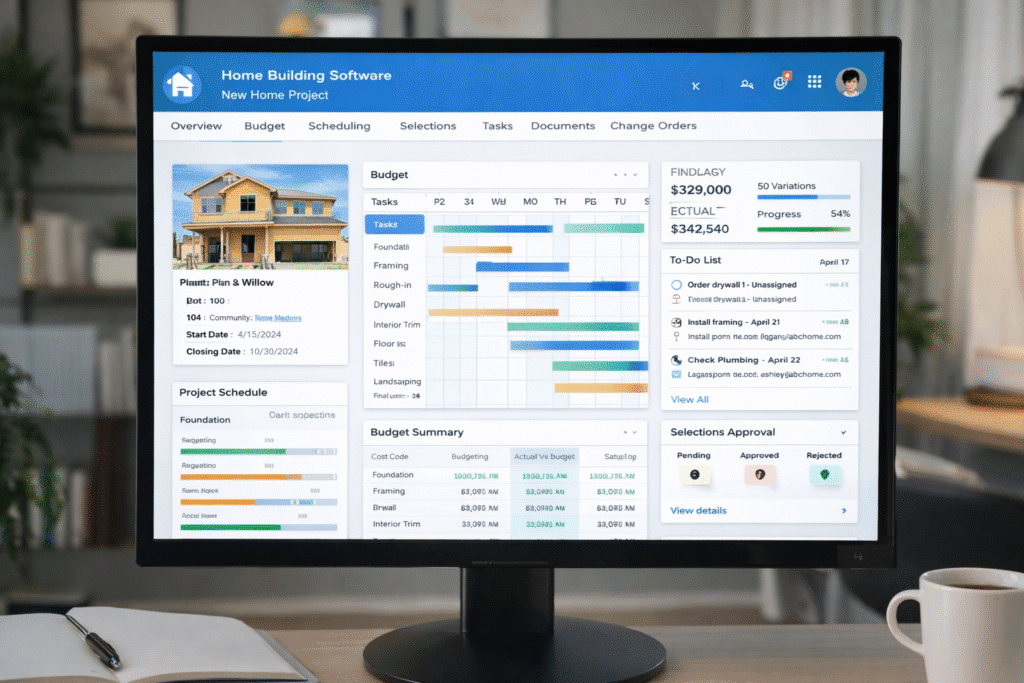
Real estate workflow automation supports draw schedules, document management, and coordination. You’ll see what happens when builders stop treating admin work as “just part of the job” and start running their real estate business smarter.
Why Spec Builders Can’t Ignore Automation Anymore
Only 8.5% of U.S. construction projects finish on time and on budget, per Forbes Councils research. If you’re juggling multiple lots, that stat isn’t news. It’s your life. Builders who scale beyond five homes a year have one thing in common: automation in property development.
Early adopters can save 20 to 40 hours weekly on time-consuming tasks. Those hours mean more bids, more sites, or finally taking a weekend off. Real estate professionals are learning that workflow automation is no longer optional. It’s how you grow your real estate business instead of watching competitors pass you.
The real estate industry moves fast. Builders who don’t adapt get left behind. Real estate automation gives you the edge to compete.
The Real Cost of Manual Processes
Material costs swing wildly. Labor is short. Margins keep shrinking. Real estate automation handles all three problems at once.
Your competitors using AI estimating aren’t guessing anymore. They pull live pricing from suppliers and adjust bids in real time. When permits are delayed, their systems automatically reschedule everything. While you’re writing client emails at 9 PM, their automated systems did that hours ago. The builders scaling up aren’t working harder. They use real estate automation tools to reduce weekly busywork by 15 to 20 hours. Real estate workflow automation beats longer days every time.
AI Estimating That Works for Residential
Bad estimates cost you money. Bid too low, and you lose margin. Bid too high and you lose the job. AI estimators create detailed estimates in 30 seconds using natural language processing. Just describe the project: “2,400 square foot spec home, builder-grade finishes, three bed, two bath.” The system pulls live pricing from your actual suppliers.
These automation tools beat old estimating software in two ways. First, they automatically adjust for market trends and local labor rates. Second, they learn from your projects and get more accurate over time. Systems like Autodesk Construction IQ now offer AI estimates trained on residential data.
How AI Handles Real Variables
The best AI tools connect to local dealers for current pricing. When lumber or drywall lead times lengthen, your estimates update immediately. This real estate automation kills the guesswork as AI analyzes plans and calculates quantities faster than manual processes, while catching errors you might miss.
One builder cut estimating from four hours to 20 minutes per project. That’s real estate workflow automation delivering results for your real estate business. Modern systems let you set your suppliers, labor rates, and permit costs in one place. The system applies those to every estimate. Real estate automation learns your preferences.
Bid accuracy goes up because you’re using current data. Data analytics and predictive analytics help you track which estimates win and refine your approach. Real estate professionals using these tools make better decisions about which projects to chase. Real estate automation turns your bid process from guesswork into a system.
Scheduling Tools That Adapt in Real Time
When the framing inspection is pushed back by three days, everything shifts. Your electrician can’t start. Drywall delivery needs rescheduling. Your draw timing changes. One delay creates a chain reaction across your whole operation. AI scheduling systems test dozens of scenarios to find the best path forward.
These project management tools pull in weather, labor availability, equipment schedules, and permit timelines. They reschedule your project automatically. The system didn’t stop the delays, but it did minimize the damage by adjusting tasks and alerting subs instantly. For builders managing cash flow across multiple projects, this means you’re not manually coordinating three sites when the weather shuts one down.
Computer Vision Adds More
Drones and site cameras now feed data into scheduling systems. Computer vision compares real progress to your plans. If framing falls behind, the system alerts you and suggests new timelines. You approve changes instead of finding out when your plumber arrives at an unready site.
This property development automation extends to property inspections as well. Automated systems document progress photos and generate reports without hours of your time.
Delays hit your draw schedule and cash flow directly. When a project sits idle, you pay interest without making progress. AI scheduling keeps draws on track. Real estate workflow automation keeps your real estate business moving when projects hit snags. Real estate development at scale needs these efficiencies.
Communication Automation That Frees You to Build
Client emails, subcoordination, lender documents, and inspection scheduling. These time-consuming tasks pull you from revenue-generating work. Automation handles these repetitive tasks so you can focus on building. Every email you don’t have to write is time back in your day.
AI assistants draft emails, manage RFIs, and coordinate schedules for routine tasks. Automated client updates cut invoice delays by 40%. Buyers get progress photos automatically. AI chatbots handle prospect questions 24/7. This builds client relationships without adding to your plate.
For sub communication, automated systems send schedule updates and delivery confirmations without you typing anything. Document management becomes easier when every change order and permit automatically flows into a centralized system.
What to Automate First
Start with what you hate most. Change order notices, draw request docs, and inspection coordination follow patterns are all perfect for workflow automation. The system drafts messages from project data. You review and approve, and it is sent to the right people.
The best automation solutions connect your estimating, scheduling, and accounting, so data flows automatically. Mark framing complete and the system notifies your lender about the draw inspection and alerts your electrician. Financial reporting updates without manual data entry.
The goal isn’t to become a tech company. It’s spending less time on emails, so you can build homes and grow your real estate business. Property management automation handles routine tasks and reduces human error. Property and real estate automation create a seamless workflow for your real estate development operations.
Marketing Automation for Builders
Most builders only think about automating construction tasks. But real estate marketing automation delivers big results too. When you’re juggling projects, buyer follow-up falls off your list. Marketing automation and real estate automation fix that for real estate professionals across the real estate industry.
Automated systems nurture leads through sending emails, scheduling calls, and tracking who’s ready to buy. Real estate professionals using lead generation automation see 30% more conversions. Your marketing materials reach people at the right time without you having to remember. This real estate automation grows your real estate business without adding hours.
Social posts are scheduled weeks ahead. Property listings are updated across multiple platforms when specifications change. Real estate workflow automation keeps your marketing consistent during busy build phases.
The real estate industry uses these tools because they work. Builders who automate lead generation close more deals while spending less time selling. Lead generation that runs on autopilot frees you to focus on active projects. That’s business growth without more staff or longer hours. Real estate professionals who use automation gain a competitive advantage.
Getting Started Without Overhauling Everything
You don’t have time to learn complex systems. That’s why experts suggest 90-day pilots before scaling. Pick one repetitive task: estimating, scheduling, or client communication. Prove the savings, then expand.
Start by defining your standards. How do you measure start dates, completion, cycle time, and margins? Technology amplifies what works. If your real estate and construction processes lack clear standards, automation will only exacerbate confusion. Document your processes first. This is one of the key financing decisions that separates builders who scale from those who stall.
Start Small, Then Grow
Find your biggest pain point. If estimating takes four hours per project and you bid 20 jobs per month, that’s 80 hours saved. Test an AI tool on five bids. Track time and accuracy. If it works, expand. Prioritize tools that solve your specific problems and don’t chase features you won’t use.
Clean data beats fancy features. Before adding property development automation, audit your project data. Bad info undermines good tools. Spend two weeks organizing files and documenting processes. Data security should factor into every platform you evaluate. Your real estate processes need solid foundations before automation can help.
Lenders value organized borrowers. When you provide accurate timelines and real-time updates, you become a better partner. Real estate automation saves time and makes you the builder lenders want to fund. Cost savings from property management automation grow as you scale to multiple properties. Property management automation also cuts the back-and-forth that slows down every project.
You don’t need to change everything at once. Integrate automation into your real estate processes one system at a time. Real estate processes improve gradually when you focus on one problem before moving to the next. Start with one time-consuming task, prove savings, and build from there.
Automation Builds Competitive Advantage
Automation in property development separates builders who scale from those who stall. The 20 to 40 hours saved per week create capacity for more projects and better margins. When your estimating pulls live pricing, your scheduling adapts to delays, and admin runs itself, you compete with real advantages.
This isn’t about chasing every new tool. It’s about finding where manual processes cost you most and using automation tools that deliver returns. Real estate workflow automation reduces repetitive tasks that drain your time. The real estate industry rewards builders who work smarter.
Builders going from five to fifteen homes yearly aren’t working more hours. They eliminated routine tasks that ate up any extra time in their schedules. Property management systems handle client updates and draw docs while you make decisions that need your expertise. Real estate development at scale requires these efficiencies. Your real estate business grows when you stop doing work that machines can handle.
Your financing partners notice the difference. Accurate timelines and organized docs make you the builder lenders prioritize. Real estate automation positions you as a professional who runs a tight operation. That advantage compounds as you scale your real estate business. The right partner understands builders who use automation to compete in real estate development.